
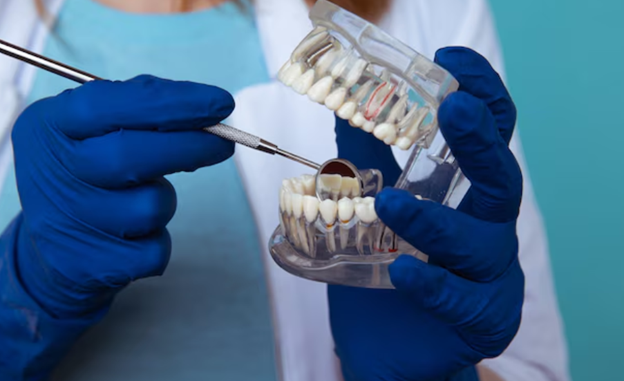
People usually hear about dental bridge treatment when missing teeth start affecting chewing or speech in small but noticeable ways. It is not always urgent at first, but discomfort slowly builds over time without warning. Dentists often suggest this option when gaps create imbalance in bite alignment. The idea sounds technical, though the process itself is fairly structured and commonly performed. Understanding how it works helps reduce hesitation before moving ahead.
What actually happens during the bridge placement process
The procedure involves preparing nearby teeth so they can support the artificial replacement securely. That preparation step may feel slightly uncomfortable, but it is usually managed with proper care. When someone considers dental bridges treatment, they often do not realise how much precision goes into measurements and fitting. A proper fit reduces pressure on surrounding teeth and improves overall function. Small adjustments after placement are sometimes needed for better comfort.
Crowns are often connected to more than just broken teeth
Many people think crowns are only for damaged teeth, but they also support structural stability in several cases. Dentists use them after root canal procedures or when a tooth becomes weak over time. In the case of dental crown services, the aim is to take care of the remaining tooth and to restore the normal shape and strength. The types of materials used are ceramic/metal blends, and these are based on the need and the budget. Each option behaves slightly differently under pressure.
how materials influence durability and everyday use
Material choice is not always obvious, and patients sometimes rely entirely on dentist recommendations without asking questions. Ceramic crowns look more natural, though they may wear differently compared to metal-based ones. In dental crowns services, durability depends on bite force, habits, and placement location in the mouth. Back teeth usually require stronger materials because of chewing pressure. These details sound minor but actually affect long-term results significantly.
Cleaning and maintenance habits matter more than expected
Oral hygiene becomes even more important after any restorative procedure is completed. Food particles can collect around bridge edges if cleaning is not done carefully and regularly. Those who go through dental bridge treatment should follow brushing and flossing routines more consistently. Special floss tools are sometimes recommended for better access under the bridge area. Skipping these habits can lead to complications that are avoidable with basic care.
small differences between temporary and permanent solutions
Temporary crowns or bridges are often placed before the final version is ready, which confuses some patients. These temporary versions help protect the area while permanent pieces are being prepared. During dental crowns services, this step allows adjustments before final placement happens. It may feel slightly different, but it serves a clear purpose in the overall process. Patience during this phase usually leads to better fitting results later.
Conclusion
Understanding these treatments in a simple way helps reduce confusion when discussing options with a dentist during consultations. The guildforddentalpractice.co.uk can be checked once to explore general service details and available treatments. People considering dental bridges treatment or looking into dental crowns services should ask questions about materials, procedures, and aftercare without hesitation. Clear communication and basic awareness make a noticeable difference in decision-making. Take time to review your options carefully and consult a qualified dental professional to move forward confidently.